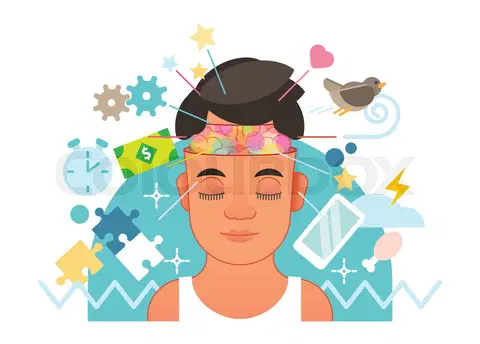

For decades, conversations surrounding mental health have been clouded by stigma, misconception, and silence. In many societies, psychological well-being has been overshadowed by the myth that mental illness is a sign of weakness or an issue best left unspoken. Others view it as a dilemma — too complex to understand, too uncomfortable to address.
However, the reality is clear: mental health is neither a myth nor a dilemma. It is an essential component of overall well-being — one that deserves recognition, care, and open dialogue.
Dispelling the Myths

Mental health challenges are often dismissed as temporary moods or personal shortcomings. Yet, conditions such as anxiety, depression, bipolar disorder, and post-traumatic stress disorder are recognized medical conditions that require understanding and treatment. They are not products of imagination or moral failure; they are genuine health issues that affect how individuals think, feel, and function.
Just as we would not ignore a physical ailment, we must not dismiss mental distress. Acknowledging the legitimacy of mental health conditions is the first step toward creating an environment where seeking help is normalized and supported.
The True Dilemma
The real dilemma does not lie in the existence of mental health concerns but in our collective response to them. Despite growing awareness, many individuals continue to suffer in silence due to fear of judgment or social stigma. The reluctance to seek professional help, coupled with inadequate access to mental health resources, exacerbates the problem.
Recognizing the importance of mental health care — and ensuring it is accessible, affordable, and stigma-free — should be a public health priority. Seeking support, whether through counseling, therapy, or community networks, must be viewed as an act of strength and self-awareness rather than vulnerability.
Building a Culture of Awareness and Empathy
A mentally healthy society is one that promotes understanding, empathy, and open communication. Educational institutions, workplaces, and communities all play a crucial role in fostering environments where individuals feel safe to express their emotions without fear of judgment.
Awareness campaigns, mental health education, and supportive leadership can help dismantle the barriers that prevent people from seeking help. By embedding mental health into public discourse, we can replace stigma with understanding and silence with compassion.
A Call to Action
Mental health is not an abstract concept or a temporary concern — it is a continuous process of maintaining emotional, psychological, and social balance. It influences how we think, interact, and cope with life’s challenges.
As individuals and as a society, we must move beyond myths and hesitation. Let us embrace mental health as an integral part of human well-being not a myth to be dismissed, nor a dilemma to be debated, but a reality to be respected and nurtured.