
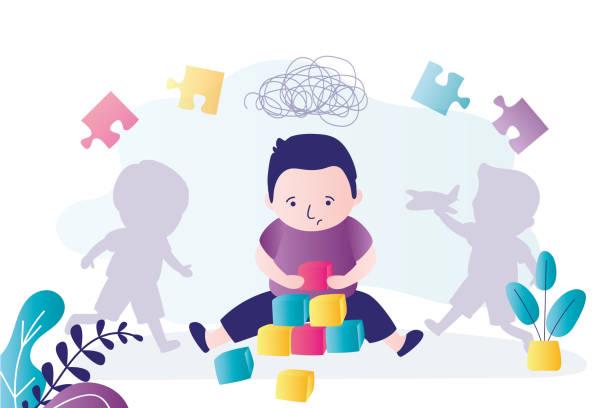
Parenting a child with autism can be a deeply rewarding experience — but it can also bring emotional challenges. Parents may feel uncertainty, worry, or even isolation, especially during early diagnosis or when facing developmental milestones that look different from others.
These emotions are completely normal. What matters most is understanding that you’re not alone, and that with knowledge, patience, and support, families can build a strong foundation for their child’s growth and happiness.
Practical Tips for Parents
Here are some evidence-based and compassionate approaches that can help parents support a child on the autism spectrum:
- Learn About Autism
Education empowers. The more you understand autism, the better equipped you’ll be to meet your child’s needs. Reliable information helps you recognize behaviors not as “defiance” or “disinterest,” but as communication — a way of expressing feelings or needs.
- Focus on Communication
Children with autism may communicate differently — through gestures, facial expressions, sounds, or devices. Follow their lead and celebrate all attempts at communication. Speech therapy, visual supports, or sign language can also be helpful tools.
- Create Predictable Routines
Structure and consistency help children with autism feel safe and secure. Clear routines and visual schedules can reduce anxiety and make transitions easier throughout the day.
- Support Emotional Regulation
Many children on the spectrum experience sensory overload or strong emotional reactions. Teaching coping strategies like deep breathing, quiet spaces, or sensory toys can help your child calm down and self-regulate.
- Celebrate Strengths and Interests
Every child has unique abilities and passions. Encouraging their interests — whether in art, numbers, music, or technology — builds confidence and joy.
- Practice Self-Compassion
Parenting a child with autism can be demanding. Remember to care for yourself too. Seeking respite, joining support groups, or connecting with a counselor can help you recharge emotionally and mentally.
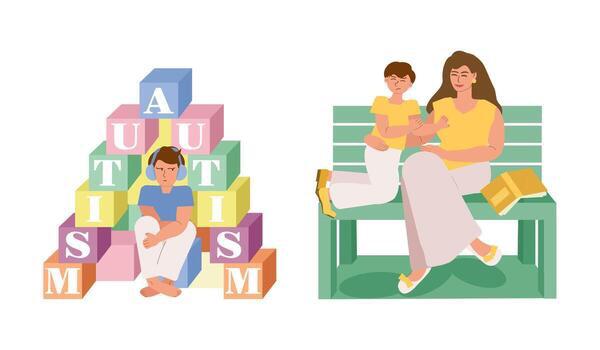
The Role of Professional Support
Early and ongoing professional support can make a meaningful difference. Evidence-based interventions such as Applied Behavior Analysis (ABA), occupational therapy, speech therapy, and social skills training can help children develop essential communication, learning, and emotional skills.
Family counseling and parent training programs also empower caregivers with tools to understand behavior, reduce stress, and strengthen family bonds.
How We Can Help
At “Connect with Healing souls”, we understand the unique challenges and rewards of parenting a child with autism. Our team offers comprehensive support for families, including:
* Individual therapy and parent counseling
* Behavioral and developmental assessments
* Emotional regulation and coping strategies
* Family and sibling support programs
We work alongside parents to build understanding, reduce stress, and create a compassionate environment that encourages every child to reach their full potential.
You don’t have to navigate this journey alone.
Reach out today to schedule a consultation and learn how our team can support your family’s growth, resilience, and connection.