

College life can be exciting, inspiring, and full of new opportunities — but it can also be stressful. Between academic expectations, deadlines, and balancing personal responsibilities, many students find themselves feeling anxious during exam season.
A little nervousness before an exam is normal — it can even help you stay alert and focused. But when that anxiety becomes overwhelming or starts affecting your concentration, sleep, or well-being, it may be a sign of exam anxiety or even anxiety attacks.
Understanding what’s happening in your mind and body is the first step toward managing it effectively.
What Is Exam Anxiety?
Exam anxiety is a type of performance anxiety that occurs when you feel extreme stress or fear before or during an exam. It’s more than just “butterflies in your stomach” — it can cause real emotional and physical discomfort that interferes with your ability to perform at your best.
You might be experiencing exam anxiety if you:
- Feel tense, shaky, or lightheaded before an exam
- Have racing thoughts or “go blank” during tests
- Struggle to focus or recall information you studied
- Experience nausea, sweating, or a pounding heartbeat
- Worry excessively about failure or disappointing others
These reactions are your body’s natural stress response — but when it becomes too strong, it can overwhelm rather than help.
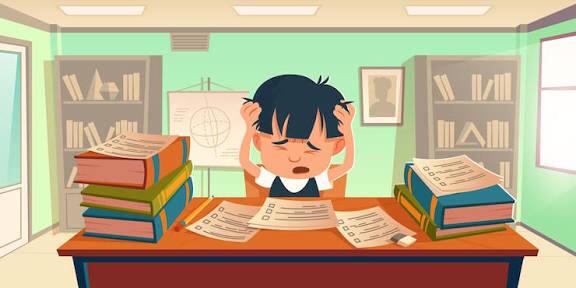
The Science behind Exam Anxiety
When you’re stressed about an exam, your brain interprets it as a potential threat. The amygdala, your brain’s emotional alarm system, signals your body to release adrenaline and cortisol, the stress hormones that prepare you for action.
Your heart rate increases, muscles tense up, and your breathing quickens — all useful if you were running from danger, but not so helpful when you’re sitting in a classroom.
This fight-or-flight response can make it hard to think clearly or remember what you’ve studied, leading to frustration and even more anxiety — creating a stressful cycle that’s hard to break without the right tools.
When Anxiety Turns into an Anxiety Attack
Sometimes, exam stress can build up into an anxiety attack (or panic attack). These episodes can come on suddenly and feel intense, often peaking within minutes.
Common symptoms include:
- Rapid heartbeat or chest pain
- Shortness of breath
- Dizziness or feeling detached from reality
- Sweating, trembling, or chills
- A sense of losing control or fear of fainting
While anxiety attacks can be frightening, they are not dangerous. They’re the result of the body’s stress response becoming overly activated. With practice and support, you can learn techniques to manage and reduce their frequency.
Recognizing Early Signs of Exam Anxiety
Being aware of the early warning signs helps you take action before anxiety becomes overwhelming. Look out for:
- Restless nights or trouble sleeping before exams
- Procrastination or avoidance of studying
- Constant worry about grades or the future
- Irritability, tension headaches, or fatigue
- Feeling “on edge” most of the time
Catching anxiety early gives you more control — allowing you to use coping tools effectively before panic sets in.
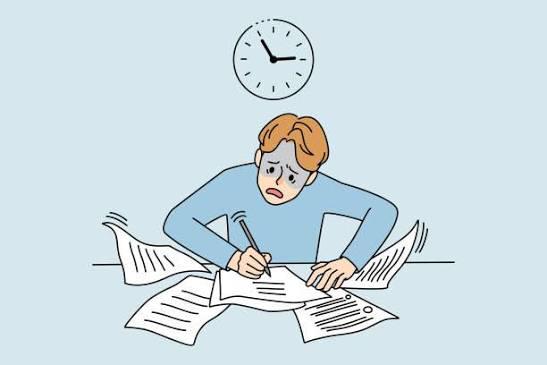
How to Manage Exam Anxiety
You can’t eliminate exam stress completely — but you can learn to manage it so it doesn’t manage you. Here are some evidence-based strategies that help:
- Prepare in Manageable Steps
Break study material into smaller sections and create a realistic schedule. Avoid last-minute cramming — consistent study sessions reduce pressure and build confidence.
- Practice Calming Techniques
Use breathing exercises, mindfulness, or short meditations to relax your body and reset your focus. Even a few minutes can make a difference.
- Focus on Progress, Not Perfection
Perfectionism fuels anxiety. Remind yourself that effort matters more than flawless results — and that mistakes are part of learning.
- Get Enough Sleep and Movement
Sleep deprivation and physical inactivity make anxiety worse. Prioritize rest and include light exercise or stretches to help your body release tension.
- Reach Out for Support
Talking to friends, professors, or counselors can help you gain perspective. You’re not alone — many college students struggle with similar feelings.
- Seek Professional Help if Needed
If anxiety becomes intense or leads to panic attacks, counseling can help. Cognitive Behavioral Therapy (CBT) and mindfulness-based therapy are proven to reduce anxiety and build coping confidence.
How We Can Help
At “Connect with Healing Souls”, we understand the unique pressures college students face — from academic performance to personal growth and future uncertainty. Our therapists specialize in helping students manage exam stress, anxiety, and panic attacks using evidence-based, student-friendly approaches.
We offer:
* CBT and mindfulness training for anxiety management
* Personalized stress reduction and coping strategies
* Academic performance and focus support
* Guidance for balancing mental health with student life
Whether you’re preparing for finals or struggling to keep anxiety under control, our team can help you find calm, clarity, and confidence — both inside and outside the classroom.
You don’t have to face exam anxiety alone.
Reach out today to schedule a confidential session and start your journey toward a calmer, more balanced college experience.