

We’ve all experienced moments when our minds get stuck on a single thought — replaying a conversation, worrying about an upcoming event, or fixating on a mistake we made. This mental state, often called preoccupation, is a normal part of human thinking. However, when it becomes persistent or overwhelming, it can interfere with our ability to focus, relax, and enjoy life.
Understanding the science behind preoccupation can help us recognize why it happens and how to manage it more effectively.
What Is Preoccupation?
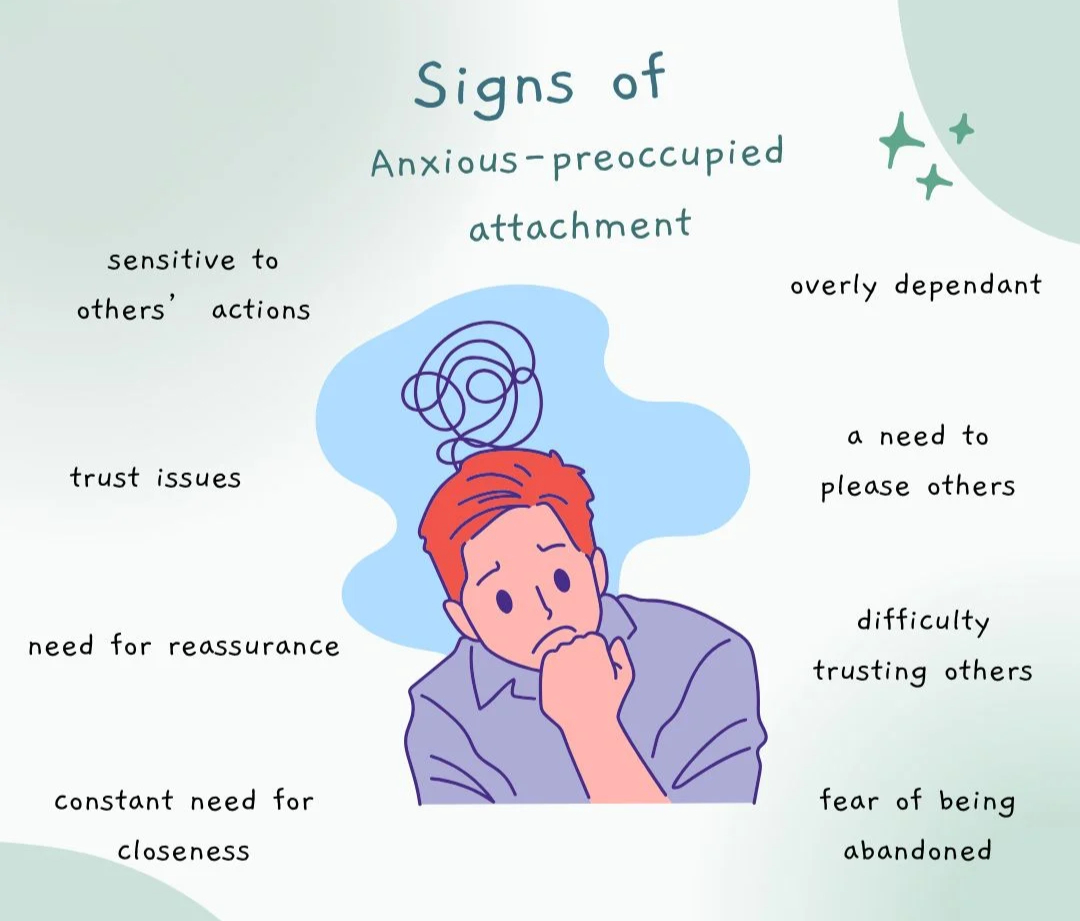
Preoccupation refers to repetitive, intrusive thinking about a specific topic, person, or situation. It’s a kind of mental “loop” where attention keeps returning to the same subject — often one that triggers strong emotions like anxiety, guilt, or fear.
In psychology, preoccupation is related to several cognitive and emotional processes, such as rumination, worry, and obsessive thinking. While these are all normal human experiences, they can become distressing if they dominate mental space or interfere with daily life.
How the Brain Gets Stuck
Here’s what happens behind the scenes:
1. The Role of the Amygdala: Emotional Alarm System
The amygdala, a small structure deep in the brain, plays a key role in detecting threats and triggering emotional responses. When something feels important or stressful, the amygdala sends an alert to the rest of the brain. This can heighten attention and make certain thoughts feel impossible to ignore — even if they’re not helpful.
2. The Prefrontal Cortex: Struggle for Control
The prefrontal cortex — the part of the brain responsible for reasoning and decision-making — tries to regulate emotional impulses from the amygdala. But when we’re anxious or stressed, this balance can break down. The amygdala becomes overactive, and the prefrontal cortex struggles to “turn off” repetitive or fearful thoughts.
3. The Default Mode Network (DMN): The Mind’s “Idle” Circuit
When we’re not focused on a task, the brain activates the default mode network (DMN) a system involved in self-referential thinking, daydreaming, and reflecting on the past or future. The DMN is helpful for planning and creativity, but it can also fuel rumination and preoccupation, especially when paired with negative emotions.
4. Dopamine and the Reward Loop
In some forms of preoccupation — especially romantic or obsessive types — the brain releases dopamine, the “reward” neurotransmitter, when thinking about the subject. This reinforces the mental loop, making the brain crave more of the same thought even when it’s distressing or unproductive.
Why Preoccupation Feels So Strong
Preoccupation often feels powerful because it serves a psychological purpose — it tries to reduce uncertainty. The mind fixates in an attempt to find answers, prevent mistakes, or gain control over something uncertain. Unfortunately, this often backfires: the more we think about the problem, the more anxious and stuck we feel.
This cycle is known in cognitive psychology as the “rumination trap.”
Instead of solving the problem, our thoughts keep circling around it, draining mental energy and reinforcing stress.
Breaking the Cycle
While preoccupation is part of being human, chronic mental looping can take a toll on psychological well-being. Here are some science-backed ways to break the cycle:
Mindfulness practices calm the amygdala and reduce DMN overactivity, helping the brain return to the present moment.
Cognitive-behavioral therapy (CBT) teaches practical tools for identifying and reframing repetitive thought patterns.
Physical activity increases dopamine and serotonin in healthy ways, improving focus and mood.
Journaling or expressing emotions helps move thoughts from short-term rumination into a more organized, reflective process.
Seeking professional support can help uncover underlying causes such as anxiety, trauma, or perfectionism that fuel preoccupation.
How We Can Help
At “Connect with Healing Souls”, we understand how overwhelming it can feel when your mind won’t quiet down. Our team of licensed mental health professionals offers evidence-based therapy approaches, including cognitive-behavioral therapy (CBT), mindfulness-based interventions, and stress management techniques designed to help you regain balance and peace of mind.
Whether you’re dealing with anxiety, overthinking, or emotional burnout, we’re here to help you break free from mental loops and build healthier patterns of thought.
You don’t have to face it alone.
Reach out today to schedule a confidential session and take the first step toward a calmer, more focused mind.
It’s okay to say no. Protecting your time and energy is an act of self-respect and a key part of maintaining psychological balance.