
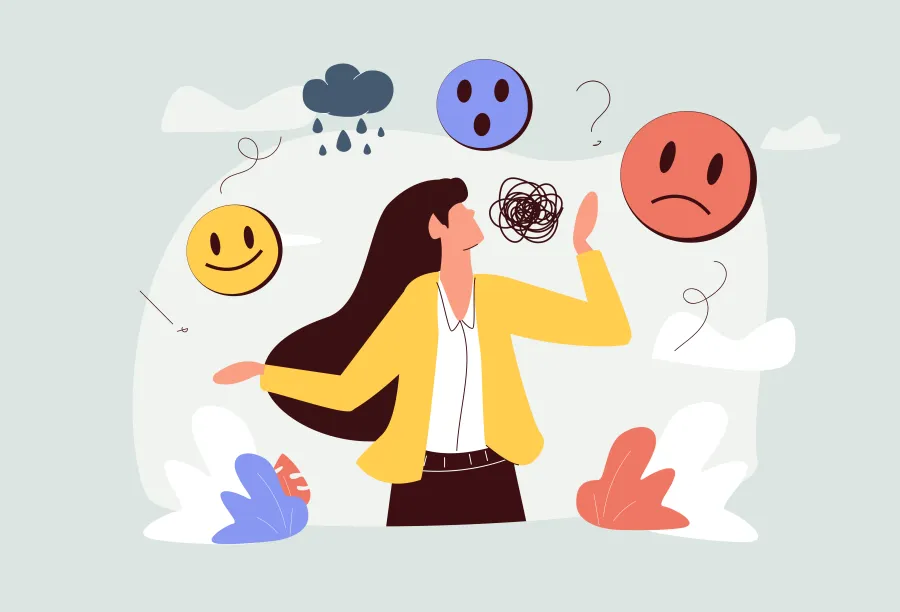
Emotions are an essential part of being human. They color our experiences, guide our decisions, and help us connect with others. Yet, for many people, emotions can sometimes feel overwhelming, confusing, or even out of control.
Learning to understand and manage emotions is one of the most important steps toward improving mental health and overall well-being. It’s not about suppressing how you feel — it’s about learning to recognize, accept, and respond to emotions in healthy, balanced ways.
Why Emotions Matter

Emotions are the brain’s way of communicating important information about our needs, values, and environment. They act like an internal signal system — alerting us to danger, guiding us toward joy, or helping us process loss and disappointment.
Fear warns us of potential threats.
Anger can signal that a boundary has been crossed.
Sadness helps us process grief or unmet needs.
Joy reinforces behaviors that bring connection and fulfillment.
When we listen to these emotional cues instead of ignoring or judging them, we can make wiser choices and take actions that support both our mental and emotional health.
The Science Behind Emotions
From a scientific perspective, emotions are generated through complex interactions between the amygdala, prefrontal cortex, and neurochemical systems in the brain.
The amygdala detects emotional stimuli and triggers automatic reactions — like fear or excitement.
The prefrontal cortex, the brain’s “thinking center,” helps regulate and interpret these emotions, allowing us to respond thoughtfully rather than impulsively.
Neurotransmitters such as serotonin, dopamine, and oxytocin influence mood, motivation, and connection.
When stress, trauma, or imbalance affects these systems, emotions can become more difficult to regulate — leading to mood swings, anxiety, or emotional numbness. This is where emotional awareness and management strategies become vital.
Steps to Understanding Your Emotions
Understanding emotions begins with awareness. You can’t manage what you don’t first recognize. Here are some helpful steps:
- Notice and Name Your Feelings
Take time to identify what you’re feeling in the moment — without judgment. Instead of saying, “I feel bad,” try to be more specific: “I feel frustrated,” “I feel disappointed,” or “I feel anxious.” Naming emotions helps activate the rational part of the brain, reducing emotional intensity.
- Observe without Reacting Immediately
Emotions can create powerful urges to act, but not every impulse leads to a healthy outcome. Pause before reacting. A few deep breaths or a brief walk can give you time to process and respond more effectively.
- Explore the Root Cause
Ask yourself what might be triggering the emotion. Are you feeling anxious because of uncertainty, or angry because a boundary wasn’t respected? Understanding the why behind the feeling can lead to greater insight and control.
- Accept your Emotions
Emotional regulation doesn’t mean suppressing or denying how you feel. Acceptance means acknowledging your emotions as valid — even when they’re uncomfortable. This mindset reduces shame and encourages self-compassion.
Healthy Ways to Manage Emotions
Once you understand your emotions, you can choose healthy ways to manage them. Here are some evidence-based strategies used in therapy and emotional wellness:
*Mindfulness and grounding techniques help calm the nervous system and bring awareness to the present moment.
Social connection talking with someone you trust or a mental health professional — helps process feelings and gain perspective.
Cognitive-behavioral techniques (CBT) teach you to identify unhelpful thought patterns that intensify negative emotions.
Physical activity releases tension and boosts feel-good neurotransmitters.
Expressive outlets, like journaling, art, or music, provide safe ways to release emotions.
When to Seek Professional Support
Everyone experiences emotional ups and downs, but if emotions feel unmanageable, persistent, or are interfering with your daily life, professional support can make a real difference. Therapy can help you build emotional awareness, learn effective coping tools, and develop strategies to handle life’s challenges more calmly and confidently.
How We Can Help
At “Connect with Healing Souls”, our therapists and counselors specialize in helping individuals understand and manage their emotions in healthy, empowering ways. Using evidence-based approaches such as Cognitive Behavioral Therapy (CBT), Dialectical Behavior Therapy (DBT), and mindfulness-based strategies, we work with you to build emotional resilience, self-understanding, and peace of mind.
Whether you’re struggling with anxiety, anger, sadness, or emotional overwhelm, we’re here to help you regain balance and confidence in your emotional life.
You don’t have to navigate your emotions alone.
Reach out today to schedule a confidential session and begin your journey toward emotional well-being and self-discovery.